>>

Extra-crispy buttermilk-soaked chicken tenders tossed in a classic homemade buffalo sauce—perfect for game day, weeknights, or feeding a crowd.
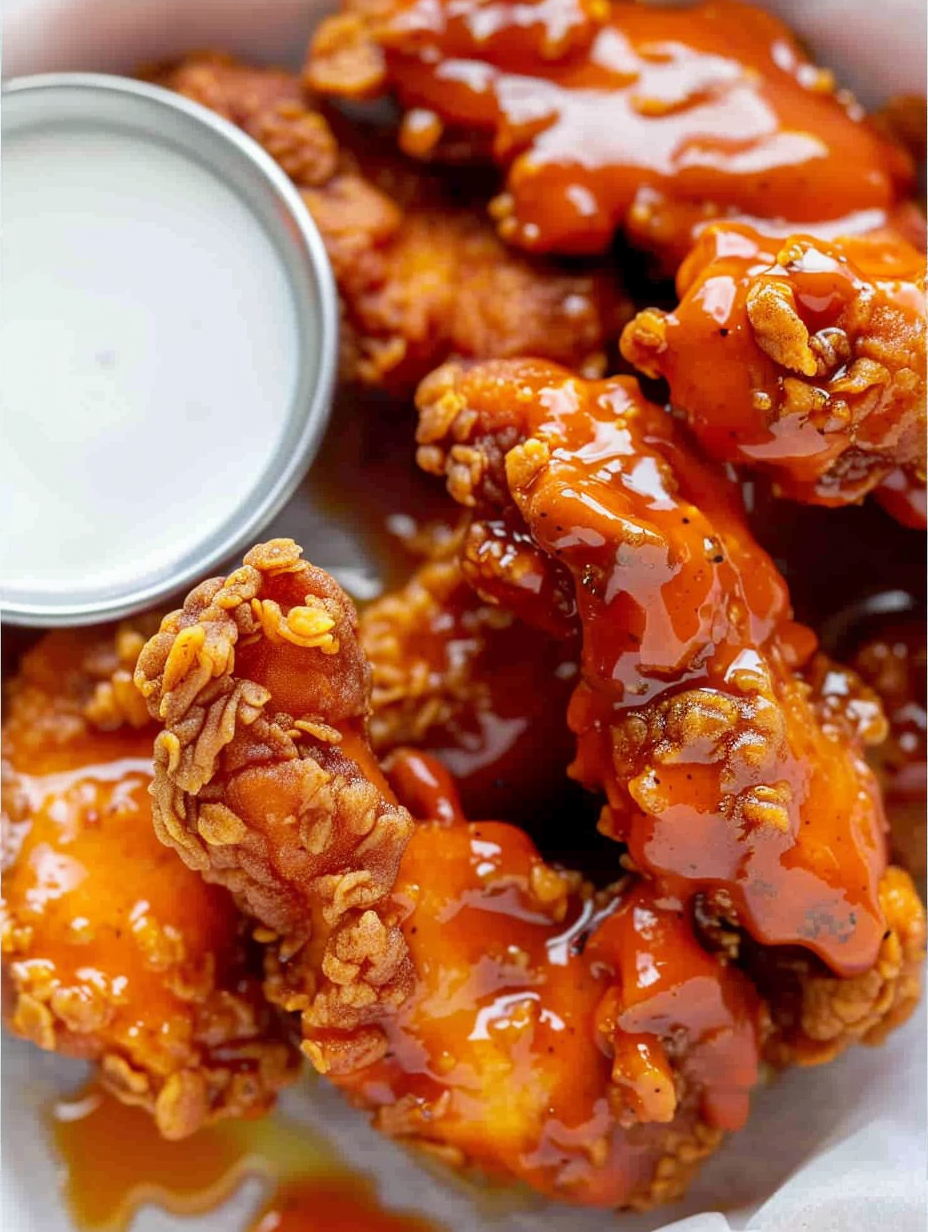
This recipe for Buffalo Chicken Tenders has been a staple in my kitchen for years and is the sort of dish that announces itself with scent and texture. I first developed this version on a rainy Saturday when a craving for spicy bar-style tenders met a pantry of basic ingredients. The result was a craveable balance of crisp exterior, juicy interior, and a tangy, buttery sauce that clings to every ridge of the breading. It became an instant crowd-pleaser: kids who usually shy from heat reached for seconds after a quick cooling bite, and adults argued over who would take the last tender.
What makes these tenders special is the buttermilk soak and the double-dredge technique. The soak breaks down muscle fibers and seasons the meat, while the two-step flour-egg-flour coating yields an extra-crispy crust that stays crunchy under sauce. The homemade buffalo sauce is straightforward but fundamental: high-quality hot sauce, real butter, a splash of white vinegar, and a dash of Worcestershire create the classic tangy, slightly smoky profile that defines buffalo flavor. I often make a double batch of sauce because it is dangerously good right off the stove.
In my house these tenders have earned a reputation: during football season I make enough for neighbors, and it is the recipe people request for potlucks. A single bite brings a familiar restaurant-style crunch and a buttery, vinegary heat that keeps everyone reaching for napkins and seconds.
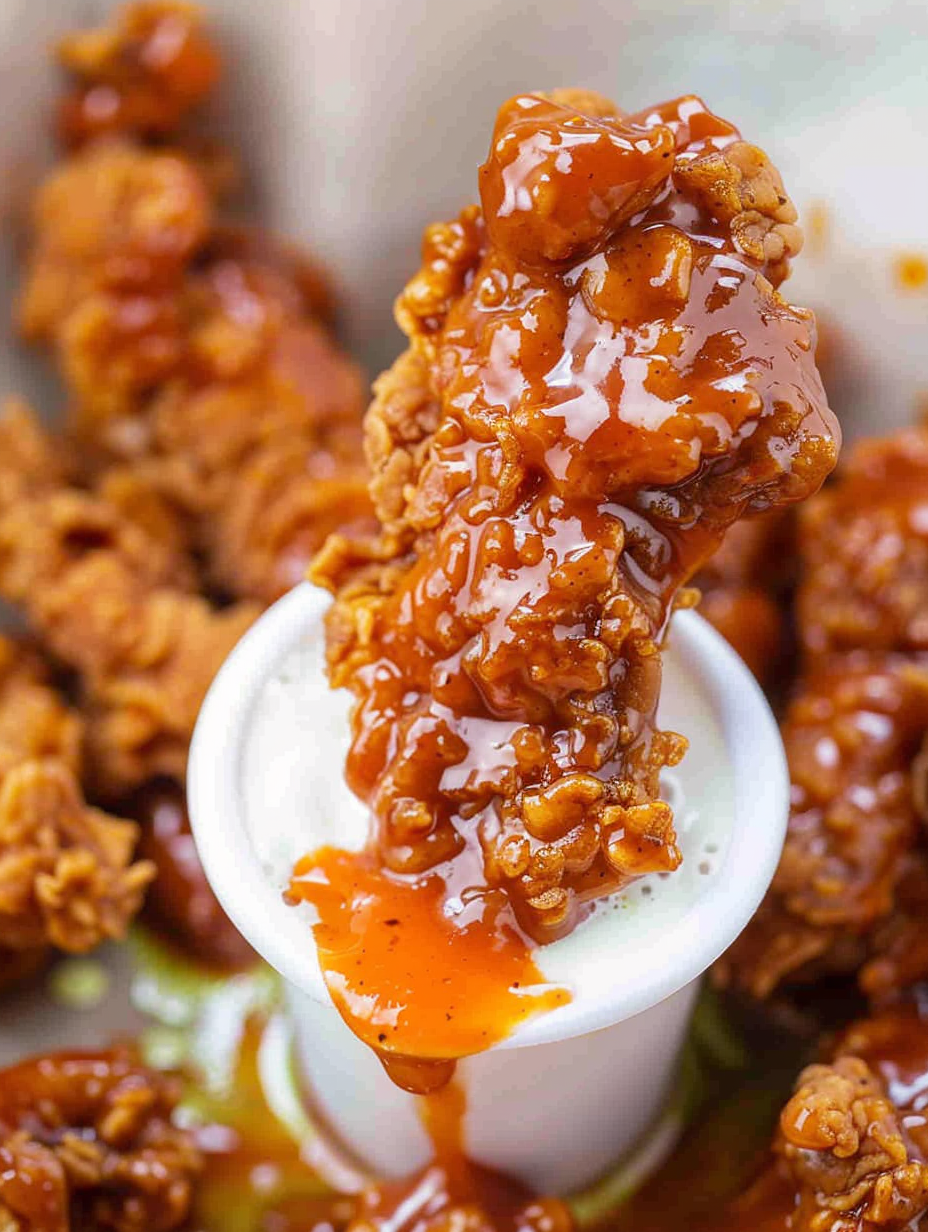
One of my favorite parts of making these is the way guests always comment on the crust. I once made these for a summer block party and a neighbor who claimed to dislike spicy food came back three times for more, carefully dabbing blue cheese between bites. Moments like that are why I keep this method in my weeknight rotation.
To store leftovers, cool the tenders to room temperature no longer than two hours, then place in an airtight container and refrigerate up to 3 days. If you plan to freeze, do not toss in sauce first. Flash-freeze on a sheet pan, then transfer to a sealed freezer bag and keep up to 3 months. Reheat from frozen in a 400 degrees F oven on a wire rack for 12 to 15 minutes until hot through; adding sauce after reheating keeps the crust crisper. Avoid microwaving unless you accept softened breading.
Out of buttermilk? Use 1 cup milk plus 1 tablespoon lemon juice or white vinegar and let rest 10 minutes. For a dairy-free version, use unsweetened soy or oat milk with 1 tablespoon vinegar and swap the butter in the sauce for a vegan butter alternative; note texture and flavor will shift slightly. To make it gluten-free, replace the all-purpose flour with a 1-to-1 gluten-free flour blend and add a teaspoon of xanthan gum for structure. For less heat, use half the hot sauce in the marinade and less in the wing sauce, or mix the buffalo sauce with a bit of honey to mellow the heat.
Serve with crisp celery and carrot sticks and bowls of blue cheese and ranch dressing for dipping. For a meal, pair the tenders with a wedge salad, coleslaw, or seasoned fries. For a party platter, arrange tenders on a large board with pickles, sliced radishes, and small bowls of extra sauce. Garnish with finely chopped chives or parsley to add a fresh pop of color and aroma.

Buffalo sauce originates from Buffalo, New York, famously invented at the Anchor Bar in the 1960s. The original pairing of deep-fried chicken with a vinegar-forward cayenne sauce and butter created a trend that spread across America and evolved into countless variations. Turning wing sauce onto strips and tenders is a natural adaptation driven by convenience and portion control. These tenders are an American bar-food evolution that keeps the core elements of heat, acidity, and butter intact.
In winter, serve with roasted root vegetables and a warm blue cheese fondue for dipping. In summer, make a lighter sauce with reduced butter and extra vinegar, and pair tenders with a crisp cucumber salad. For game day in cooler months, double the sauce and keep it warm in a small slow cooker so guests can refresh their plates. For holidays, swap traditional hot sauce for a smoky chipotle base and add a touch of maple syrup to the sauce for a sweet-spicy balance.
For batch cooking, cut and soak all chicken in buttermilk the night before. Bread and arrange on trays covered and refrigerated, then fry or bake on the day you plan to serve. Cooked, unsauced tenders freeze and reheat exceptionally well. Pack tenders separately from any dressings to keep textures optimal. Label containers with date and reheating instructions for simple grab-and-go lunches or post-work dinners.
Every time I make these, I learn a little something new about timing and heat management. The simplest change, like resting dredged pieces before frying, consistently elevates results. I hope you enjoy this version as much as my family and friends have—make it your own, and don\u2019t be afraid to tweak heat and seasonings to suit your table.
Soak chicken in buttermilk for at least 30 minutes; 2 to 12 hours yields more tender meat.
Maintain oil temperature at 350 degrees F for consistent browning and internal doneness.
Let breaded pieces rest 5 to 10 minutes before frying so the crust adheres better.
Toss tenders in sauce while both are warm for the best adhesion and flavor.
Re-crisp leftovers on a wire rack in a hot oven rather than using a microwave.
This nourishing buffalo chicken tenders recipe is sure to be a staple in your kitchen. Enjoy every moist, high protein slice — it is perfect for breakfast or as a wholesome snack any time.
This Buffalo Chicken Tenders recipe makes perfectly juicy, tender, and flavorful steak every time! Serve with potatoes and a side salad for an unforgettable dinner in under 30 minutes.
Trim and cut each breast into four even tenders. Place in a bowl with buttermilk and hot sauce, cover, and refrigerate 30 minutes to 24 hours to tenderize.
Whisk eggs in one bowl. Combine flour and seasonings in a second wide bowl. Prepare baking sheet to hold breaded pieces.
Dredge each tender in flour, then egg, then flour again, pressing gently to form a firm coating. Rest on a sheet for 5 to 10 minutes before frying.
Heat canola oil in a Dutch oven to 350 degrees F. Monitor with a thermometer and adjust heat to maintain temperature during frying.
Fry tenders in small batches 5 to 7 minutes, turning once, until golden brown and internal temperature reaches 165 degrees F. Drain on a wire rack.
Melt the butter with hot sauce, white vinegar, and Worcestershire in a small saucepan. Whisk until smooth and just simmering, about 30 to 60 seconds.
Toss hot tenders in the warm sauce to coat evenly and serve immediately with celery and your choice of blue cheese or ranch dressing.
Last Step: Please leave a rating and comment letting us know how you liked this recipe! This helps our business to thrive and continue providing free, high-quality recipes for you.
Leave a comment & rating below or tag
@yummique on social media!
Tender grilled zucchini wraps basil ricotta, bathed in marinara and mozzarella, baking into a bubbly, lighter Italian comfort dinner ready in 30 minutes.
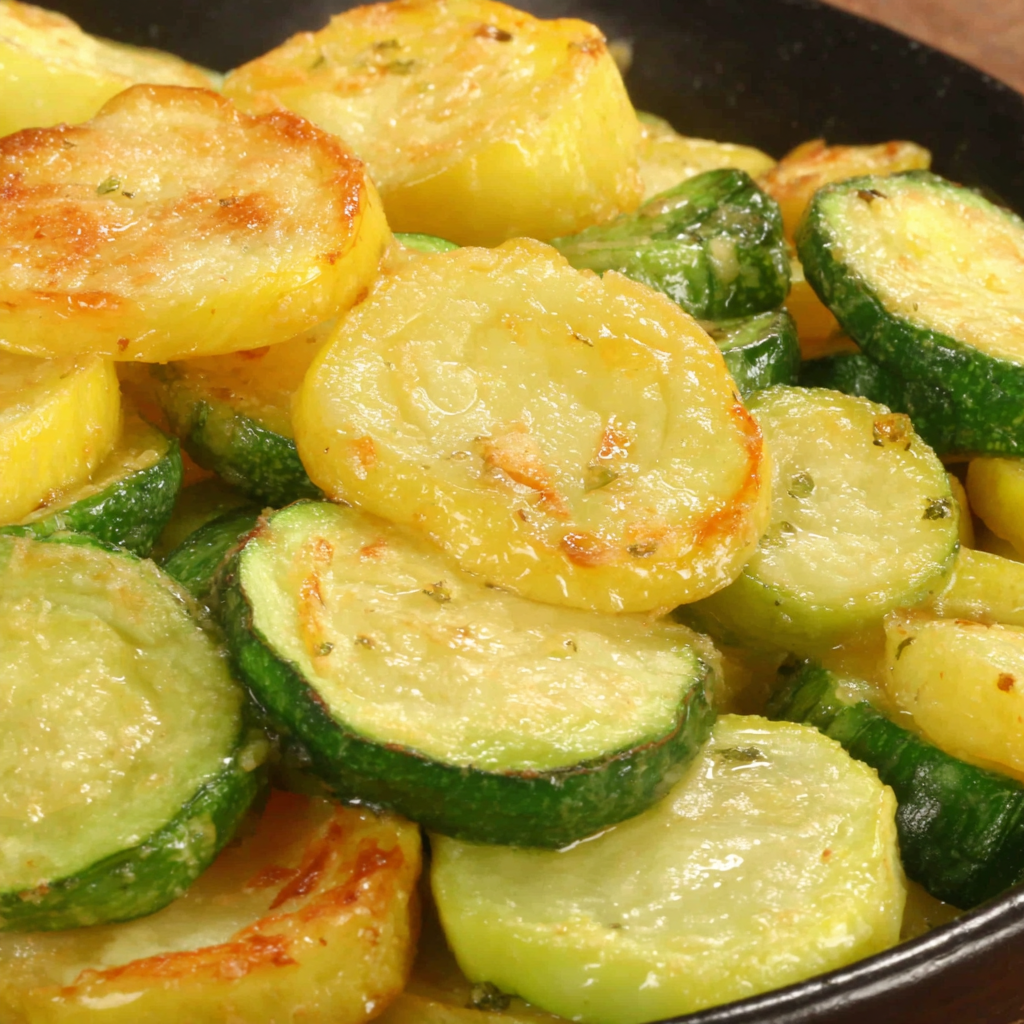
Crisp-edged, tender-in-the-middle zucchini and yellow squash made in 15 minutes with pantry spices. A vibrant, veggie-forward side everyone devours.
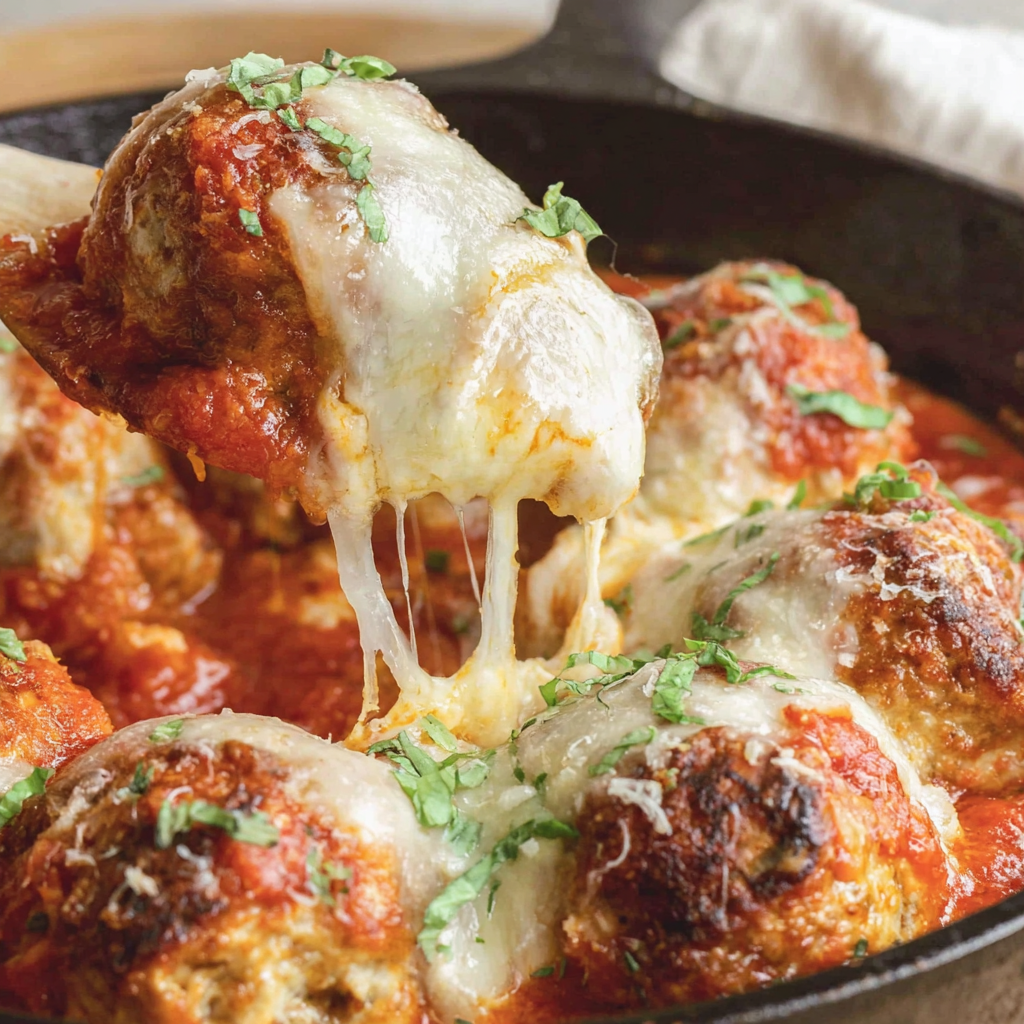
Tender chicken meatballs simmered in rich marinara and blanketed with melty mozzarella, bringing all the flavors of chicken parm in cozy, bite-sized form.
Leave a comment & rating below or tag @yummique on social media!
Enjoyed this recipe? Share it with friends and family, and don't forget to leave a review!
This recipe looks amazing! Can't wait to try it.
Comments are stored locally in your browser. Server comments are displayed alongside your local comments.

Join to receive our email series which contains a round-up of some of our quick and easy family favorite recipes.